
A brand becomes a sound
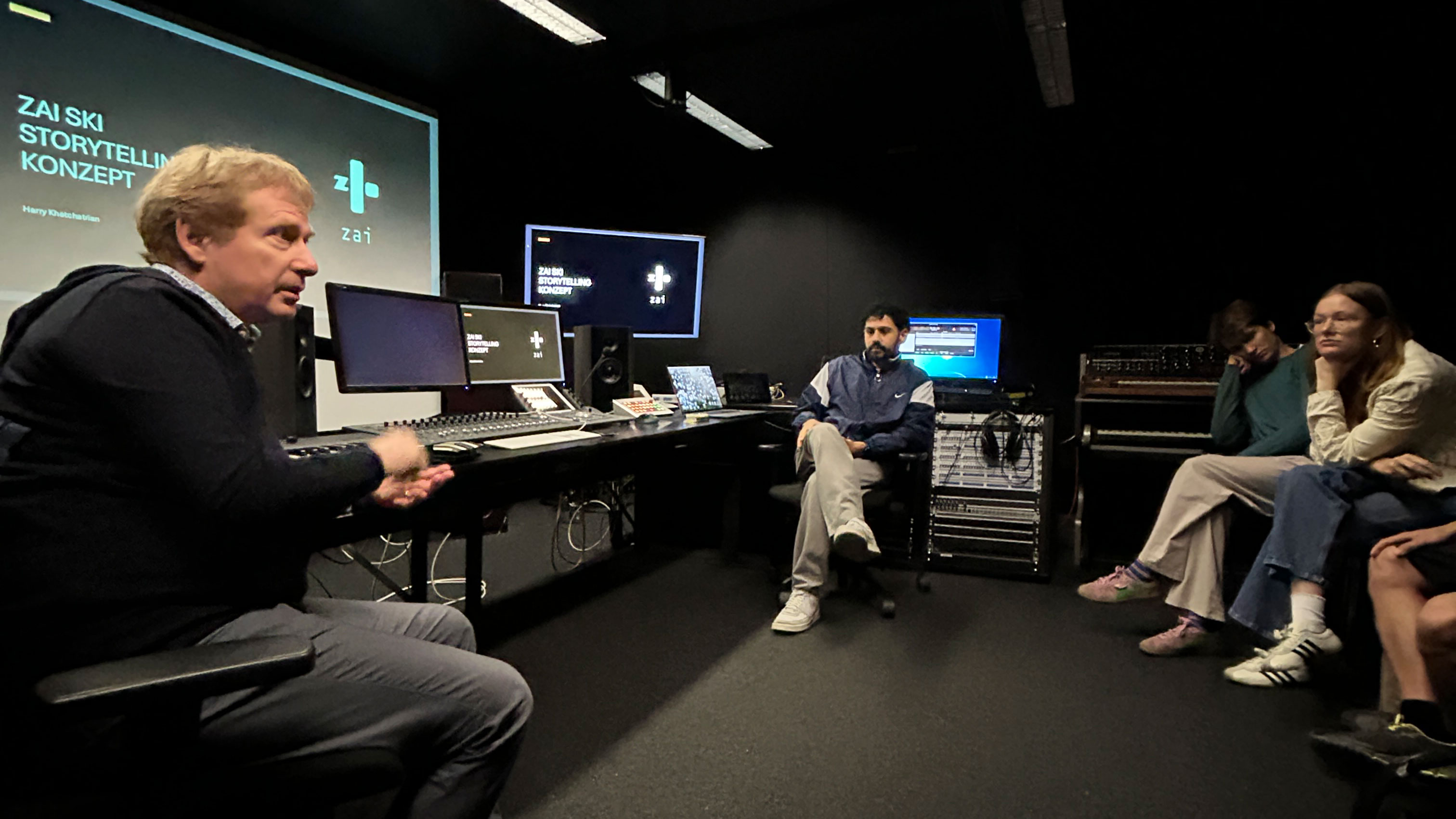
What does zai sound like? That is exactly the question five students from the Zurich University of the Arts (ZHdK) set out to answer. Alexander, Enea, Harry, Sonja and Zéno study Composition for Film, Theatre and Media. As part of a module on storytelling, they were given the task of developing their personal interpretation of zai in a one-minute composition. They were accompanied and mentored by composer, director and ZHdK lecturer Till Löffler.
The first step: experiencing zai
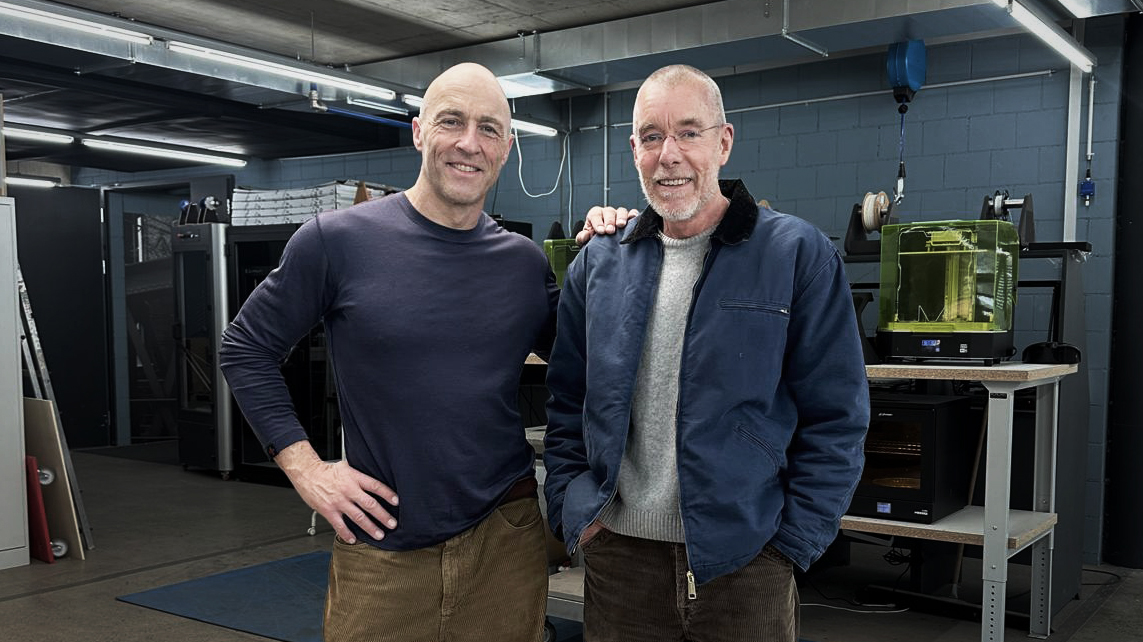
Before the first note was created, the students first had to get to know zai. They visited the zai LAB and gained insights into how the skis are made. For Enea, this direct experience was crucial. “Being able to touch the materials and see the different machines in real life was very important for the later composition process.”
The workshop becomes an instrument
During their visit, the students recorded sounds from the zai LAB – above all the humming and beeping of the machines. Harry turned these sounds into a kind of drum kit. To do so, each individual sound had to be assigned to and programmed as a suitable percussion instrument. This search was one of the most exciting parts of the process for him. The workshop became a sound body.
Between nature and movement
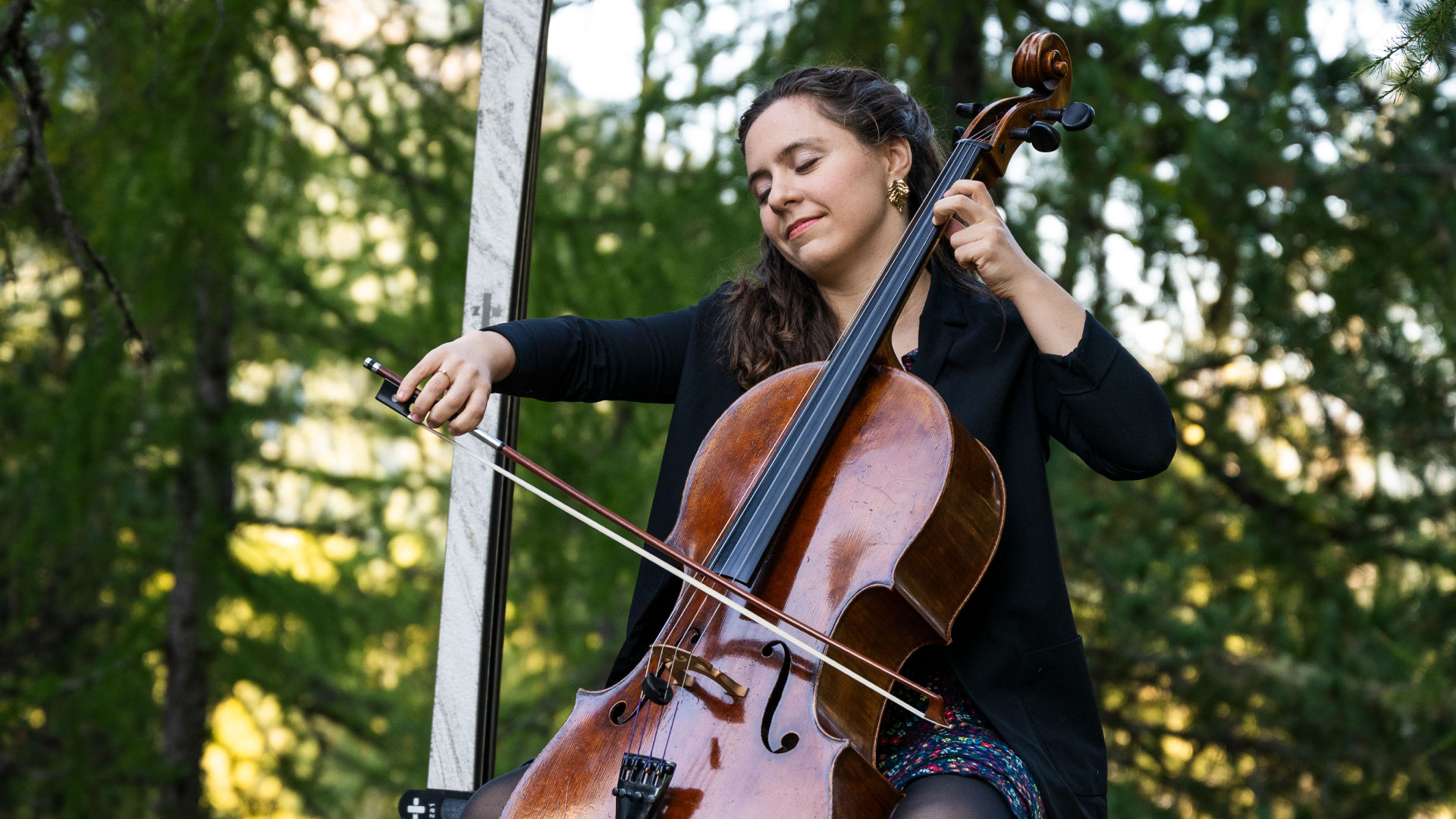
Sonja took a completely different approach. She wanted to capture zai’s purism, connection to nature and elegance in musical form. To do so, she reduced her means to the essentials: a single violin. “I want to convey a sense of lightness, but at the same time this lightness should have a connection to the ground – a certain stability that creates a sense of security and, through that, freedom.” For her, the warm, natural sound of a wooden instrument became a counterpart to the electronic world.
Alexander deliberately chose to move away from the traditional idea of an idyllic mountain landscape. For him, skiing can be just as hectic and unpredictable. His piece is therefore an antithesis to the romantic image of a quiet, tranquil mountain. His own experience played a role in this: he once broke his wrist while skiing.
Finding a mood is only the beginning
Creating an atmosphere is one thing. Telling a story, building something up and bringing it together again at the end is another. Zéno sums up the challenge: “Finding the mood was easy. But telling a story and bringing it full circle was difficult.” A minute is a short time. Yet even a composition this brief needs a beginning, a development and an ending.
Harry therefore tells the journey from the hectic, mechanical world through the workshop and up to the mountain. The machines become the rhythm before the music opens up and, eventually, calm emerges. For the mountain landscape, he chose the organ – a “breathing” sound that, for him, embodies the vastness and tranquillity of the mountain.
Listen now
Five different approaches. Five different stories. Five personal answers to the same question: What does zai sound like?
Stay tuned
The accompanying videos will be published soon. Subscribe to our newsletter or follow us on Instagram to be there for the premieres.

Visit our SKI collection
zai skis embrace piste, powder, and all-mountain ability. Together theyembody the purest expression of the zai philosophy: quality, innovation, andperformance.
Explore Products